

BUYING GUIDES
Top 10 Person Poker Tables for Commercial Grade Use: The Ultimate Guide
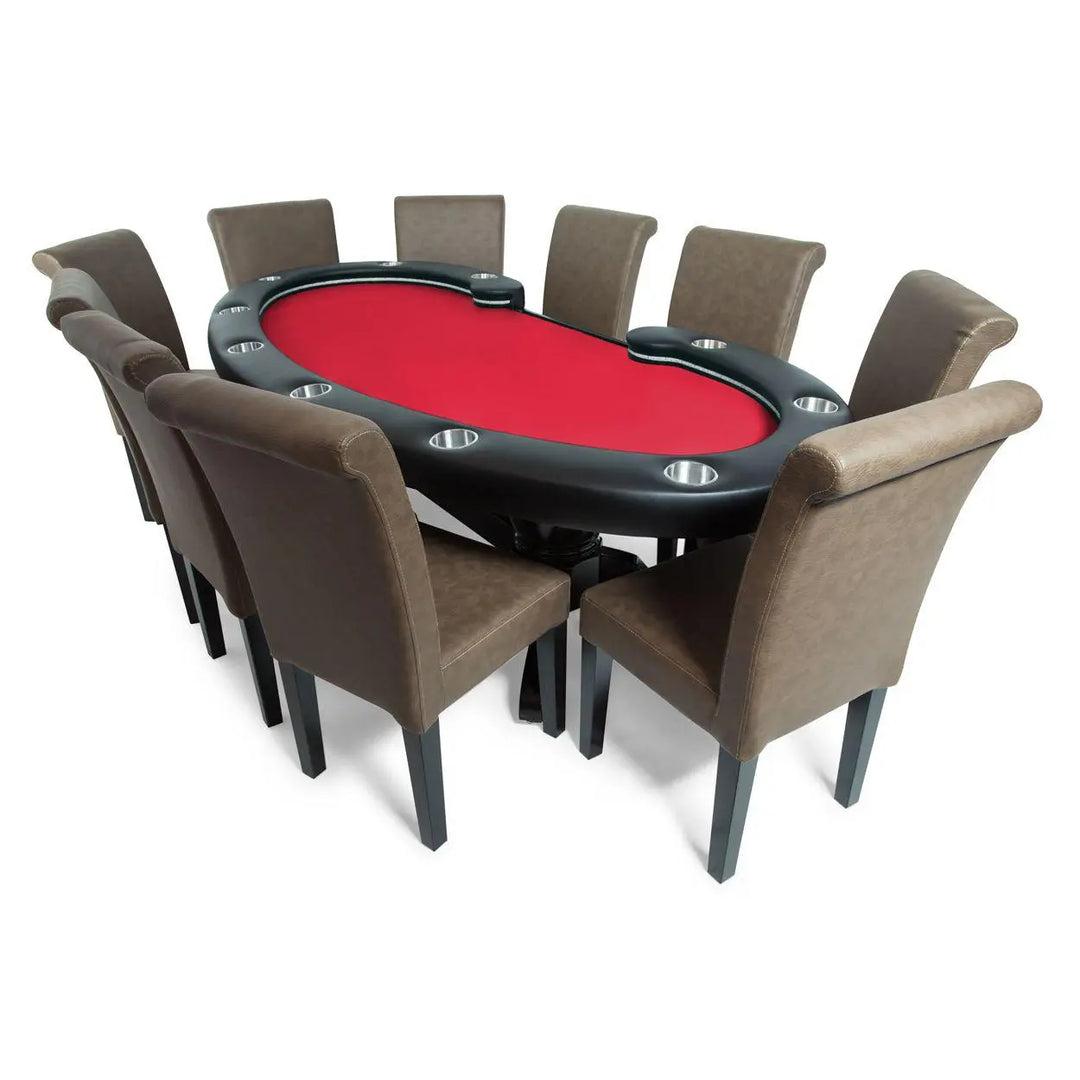
A 10-person poker table is the go-to choice for casinos, poker rooms, and game clubs. It fits a full game and leaves room for a dealer.
These tables have to survive heavy use—think multiple shifts, constant play, and plenty of wear and tear. If you’re buying for a business, you’ve got to look beyond the typical home models.
February 27, 2026
By James King
Top 10 Person Poker Tables for Commercial Grade Use: The Ultimate Guide
A 10-person poker table is the go-to choice for casinos, poker rooms, and game clubs. It fits a full game and leaves room for a dealer.
These tables have to survive heavy use—think multiple shifts, constant play, and plenty of wear and tear. If you’re buying for a business, you’ve got to look beyond the typical home models.
Commercial-grade 10-person poker tables use solid wood frames, pro-level playing surfaces, reinforced edges, and heavy-duty cup holders. The best tables manage to be tough and comfortable, with padded rails and quality materials. Some fold up for storage, some are built to stay put.
The right table matters more than you might think. A good one keeps players happy for hours and doesn’t need constant fixing. I’ll break down the top commercial options and what you should look for when you’re ready to buy.
Key Takeaways
-
Commercial-grade 10-person poker tables use solid wood frames and pro materials to take daily abuse.
-
Folding or fixed? Your space and portability needs decide.
-
Look for reinforced construction, quality playing surfaces, padded rails, and pro-grade cup holders.
Key Features of Top 10 Person Poker Tables
Commercial 10-person tables have to do more than your average home table. They need to be built tougher and keep players comfortable through long sessions.
Materials matter—a lot. You want surfaces that look good and last, even after years of daily games.
Commercial Grade Durability
Your table’s frame has to stand up to constant use. Go for steel or reinforced hardwood, not particle board or flimsy stuff.
Welded steel frames are the sturdiest if you move tables around or need them to hold serious weight.
The rail padding should use high-density foam that doesn’t flatten out after endless hours. Players will lean on it, so it needs to hold up. Double-stitched vinyl or leather covers are less likely to split or peel.
For the playing surface, professional grade suited speed cloth beats basic felt. It resists pilling, keeps cards gliding smoothly, and cleans up easily after spills.
A moisture barrier under the felt protects the wood from liquid damage. If you skip this, you’ll regret it after the first big spill.
Legs matter too. Folding tables need reinforced hinges and solid locking mechanisms. Fixed tables should have leg braces that stop any wobble, no matter how rowdy the game gets.
Comfort and Ergonomics
If your players aren’t comfortable, they won’t stick around. The rail should be at the right height—about 30 to 31 inches off the floor—so players can rest their arms without hunching.
Rails should be at least 6 inches wide. Narrow rails just make long games a pain.
Padding needs to be firm enough for support but still have a little give. If it’s too soft, it won’t last.
Spill management is a big deal. Recessed cup holders, at least 3 inches deep, should sit away from the betting line. Stainless steel lasts longer than plastic, which cracks or discolors.
Space each player about 24 inches apart around the rail. Squeezing people in makes for a lousy experience, and you’ll lose customers.
Premium Materials and Finish
You want materials that look sharp and don’t get beat up fast. Solid hardwood or commercial composites with tough finishes resist scratches and water damage.
The finish should wipe clean without getting dull or streaky.
Your felt matters for both looks and play. Medium speed cloth works for most players, and darker colors like green or blue cut down on glare.
For the rail, vinyl is usually the best bet for commercial use. It’s easy to clean and doesn’t crack easily. Bonded leather looks fancy but may not last as long. Real leather looks great but takes more upkeep and costs more.
Don’t cheap out on hardware. Stainless steel or brass cup holders and chip trays stay looking good. Plastic parts just don’t hold up in the long run.
Essential Components for Professional Play
A real commercial 10-person poker table isn’t just about size. It’s the details—cup holders, armrests, and a solid dealer station—that set it apart from the home versions.
Cup Holders and Player Amenities
Cup holders are a must for commercial tables. Stainless steel, at least 3.5 inches deep, keeps drinks secure and surfaces dry.
Recessed holders, built right into the rail, are way better than clip-ons. Integrated holders handle constant use and won’t pop out or break.
Most pro tables have 10 cup holders—one for each player. Seems obvious, but you’d be surprised how many tables skimp on this.
Some high-end tables even have USB charging ports or little compartments for phones and keys. Handy, honestly.
Integrated Armrests
Padded armrests are what make long games bearable. Commercial tables use dense foam wrapped in vinyl or leather that stands up to years of elbows and spilled drinks.
Padding should be 2-3 inches thick, and the rail needs to be 4-6 inches wide for real comfort.
Upholstery must be commercial-grade. Vinyl usually wins for easy cleaning and durability.
Armrests should be attached with staples or screws, not glue. That way, you can swap them out when they finally wear down. The seam between the rail and felt should be reinforced too.
Dealer Section and Chip Trays
A pro table has a dealer area with chip trays and a discard rack. The dealer spot is usually 24-30 inches wide, with a cutout in the rail for comfort.
Chip trays should hold at least 500 chips and be removable for cleaning. Metal trays outlast plastic every time.
The discard holder needs to fit two decks and sit close to the dealer. Some tables even have a drop box slot for cash—crucial if you’re running a real cardroom.
Folding vs. Fixed 10-Person Poker Tables
Choosing between folding and fixed tables isn’t just about looks. It affects storage, setup, and how the game feels.
Folding tables are quick to set up and stash away, while fixed tables are all about stability.
Advantages of Folding Poker Table Designs
Folding poker tables make life easier if you need to move things around. They fold up in about 30 seconds, so you can turn any room into a poker spot fast.
They’re easy to store. A folded 10-person table takes up less space than you’d expect—think closet or up against a wall.
If you run games at different locations, portability is huge. Some models have wheels, so one person can roll a 150-pound table anywhere.
You’ll save money too. Fewer tables needed, less floor space tied up, and you only set them up when you need them.
Stability and Assembly Considerations
Fixed tables are rock solid. No wobble, no flex, and no worrying about joints loosening up.
But they do need pro installation and you can’t just move them on a whim. Once they’re in place, that’s pretty much it.
Folding tables show their wear faster. Hinges and legs need regular checks—tighten those bolts, replace parts as needed.
Heavy fixed tables spread their weight out, so they’re less likely to sag or shift. Folding tables put stress on a few spots, so you’ll want to keep an eye on those hinges.
Floor protection is different too. Folding tables with wheels need hard floors or mats, while fixed tables can dent carpet over time.
Shape, Size, and Layout Options
Most commercial 10-person tables run 92-96 inches long and 44-48 inches wide. The shape you pick changes how players sit, how the dealer works, and how the table fits your room.
Oval, Round, and Racetrack Styles
Oval tables are the classic choice for 10 players. Everyone can reach the pot, and you get clean sight lines.
Standard oval dimensions are 92-96 inches long, 44-48 inches wide.
Round tables work better for smaller groups—6 or 8 players. At 10, the table gets too big and the reach is awkward.
Racetrack tables have a raised padded rail around the felt. This gives players a comfy armrest and keeps drinks off the playing surface. Cup holders usually sit in the racetrack, which helps protect the felt.
Most commercial tables use the racetrack style. It just looks and feels more professional.
Space Requirements for 10 Players
Plan for more than just the table itself. Each player needs about 24 inches of rail space.
Behind each chair, allow 36-42 inches so people can get in and out easily.
You’ll need a room at least 14 by 11 feet for a 10-person table. Add more space if you want spectators or extra walkways.
Table height should be 30-32 inches. That’s comfortable for most chairs and keeps cards at a good level for everyone.
Top 10 Commercial Grade Poker Tables: Reviews and Recommendations
Commercial 10-person poker tables need to be tough and packed with pro features. There are plenty of solid models out there, each with their own spin on casino-quality construction and customization. Some are perfect for casinos, others fit right in at a serious home game.
Industry-Leading Models
Barrington Urban stands out with its 87-inch professional table. It features a 1-inch thick dining top and seats up to 10 players.
This model uses commercial-grade materials that can handle frequent use in busy environments.
Jack Game Room builds USA-made professional poker tables with solid construction. Their commercial line focuses on Texas hold'em layouts, reinforced frames, and professional-grade surfaces.
BBO Poker Tables offers premium options with solid oak legs and casino-style playing surfaces. You get commercial padding and rail systems that feel just like what you’d find in a real card room.
Trademark Poker covers the budget-friendly end of the commercial market. Their 10-person tables include padded rails and cup holders, but at more accessible prices.
Comparison of Popular Features
FeatureStandardPremiumPlaying SurfacePolyester feltCasino-grade suited speed clothFrame MaterialComposite woodSolid hardwoodRail PaddingFoamHigh-density foam with vinylCup HoldersPlastic insertsStainless steelWarranty90 days1-3 years
Commercial tables usually include built-in chip trays, padded armrests, and reinforced legs. Higher-end models sometimes add USB charging ports, LED lighting, or a professional dealer spot.
The material you pick for the playing surface changes both how long it lasts and how cards slide. Casino-grade felt resists stains and keeps a consistent speed—even after thousands of hands.
Notable Customization Options
You can personalize commercial 10-person poker tables with custom felt colors, rail vinyl choices, and printed logos. Many brands offer embroidered designs or printed graphics right on the playing surface.
Wood finishes range from natural oak to espresso stains, so matching your décor is pretty easy. Some models have interchangeable dining tops, letting you turn your poker table into regular furniture between games.
Rail padding comes in all sorts of colors and materials, from basic vinyl to premium leather. Stitch patterns and colored piping add small design touches that can really make a difference.
Buyer's Guide for Commercial Poker Table Purchases
Commercial poker tables take a beating every day and need higher standards than home models. When you’re buying, focus on durability, space, and total cost of ownership—looks matter, but they’re not everything.
Selecting the Right Table for Your Venue
First, measure your space. A 10-person poker table needs at least 14 by 14 feet to fit the table and leave 36 inches of clearance all around for chairs and movement.
Check your doorways and hallways before you buy. Most assembled 10-seat tables won’t fit through a standard 32-inch door. You might need professional delivery with furniture disassembly or a model that ships in separate pieces.
Table shape matters more than you’d think. Oval tables give better dealer access and create natural player zones, which makes them practical for mixed games and tournaments. Round tables offer equal sightlines but need to be perfectly centered, and dealers might struggle to reach all positions during fast play.
Don’t forget about your ceiling height. You’ll want room for overhead lighting and good air flow. Bad lighting causes glare on cards and can ruin long sessions.
Budgeting and Value Assessment
Commercial-grade 10-person poker tables usually cost between $1,800 and $5,500, depending on materials and build quality. Budget tables use MDF frames and basic speed cloth. Premium tables go with steel-reinforced hardwood frames and tournament-grade felt.
Look for features that make the higher price worth it:
-
Frame materials: Steel-reinforced hardwood, 2-inch tapered legs
-
Playing surface: 16-18 oz tournament-grade wool-blend felt or premium speed cloth
-
Chip trays: Full-depth aluminum or steel alloy, holding 20+ chip stacks
-
Leg levelers: Metal-threaded, lockable, with rubberized feet
Ask manufacturers for ASTM F2772 certification docs. This benchmark tests impact resistance, abrasion cycles, and load stress. Reputable suppliers usually share these numbers.
Warranties should cover structural failure for at least five years and surface wear for three. Read the fine print—many warranties leave out labor, shipping, or damage from humidity.
Shipping and Assembly Services
Most commercial poker tables ship via freight because of their size and weight. Regular residential shipping just doesn’t cut it. Freight charges range from $200 to $600, depending on your location and the table’s weight.
Ask if suppliers offer white glove delivery. This service includes room placement, assembly, and packaging removal. It usually costs $150 to $300, but it saves you hassle and reduces damage risk.
Some brands offer installation services where technicians level the table, adjust rail tension, and check cup holder alignment. This service runs $100 to $250 and ensures everything’s set up right.
Custom orders take about four to eight weeks. In-stock models ship in one to three weeks. Rush delivery is possible, but expect to pay 20-30% more for it.
Frequently Asked Questions
Commercial-grade 10-person poker tables need reinforced construction and quality materials. Knowing the brands, folding options, dimensions, and seating setups helps you pick the right one.
What are the features to consider when purchasing a commercial 10 person poker table?
Durability is the big one for commercial use. You need tables that stand up to daily play from lots of people, often for hours at a stretch.
Look for reinforced frames that can handle at least 700 pounds. A commercial table shouldn’t wobble or break down. The legs should use heavy-duty steel and secure metal fittings.
The playing surface matters for both feel and longevity. Good tables use removable surfaces, so you can swap them out when they wear down—way cheaper than replacing the whole table.
Cup holders should be stainless steel, not plastic. You want them built into the racetrack or armrest, not cheap add-ons. Scratch-proof laminate racetracks last a lot longer than stickers or vinyl that peel off.
Which brands are renowned for manufacturing the best commercial-grade poker tables?
BBO Poker Tables builds models for commercial and serious home use. They offer lifetime warranties on structural parts and track-and-trace shipping protection.
Jack Game Room makes professional-grade poker tables in the USA. They focus on Texas hold'em and game tables meant for commercial settings.
These brands stand out for their warranties and build quality. Always check that any brand you’re considering covers structural integrity and hardware. In commercial settings, repairs can shut down play and cost you money.
Are there folding poker tables available that can accommodate 10 players and offer durability for commercial use?
Folding 10-person poker tables are out there for commercial use. The Ultimate Poker Table uses StrongAsHell folding legs rated to support 700 pounds, and it seats 10 comfortably.
These tables measure 92 by 44 by 30 inches when set up. They fold for storage and will fit in most SUVs, which is handy if you run mobile poker events or need to clear space. At about 80 pounds, two people can move them without much trouble.
Folding models work best for venues hosting poker occasionally, not every day. You still get commercial-grade construction without losing your floor space. The legs use metal fittings that lock into the frame, not flimsy plastic clips.
How do the sizes and dimensions of 10 person poker tables vary among different models?
Standard 10-person poker tables run from 92 to 96 inches long. Width is usually 44 inches. Height stays at 30 inches for comfortable seating.
Dealer positions change the length. Tables with a dealer opening are about 96 inches long to fit 10 players plus a dealer. Models without a dealer spot come in closer to 92 inches.
Oval shapes are the norm for 10-person tables. They give everyone equal access to the pot. You’ll need at least 3 feet of clearance around the table for chairs and movement, so your room should be at least 15 by 10 feet.
What materials are typically used in high-end luxury poker tables for commercial settings?
Premium playing surfaces use professional-grade felt or speed cloth that’s built for thousands of hours of play. These materials resist pilling and stay smooth longer than standard felt.
Luxury models use real wood finishes like mahogany with a glossy protective coating for the racetrack. The wood should be solid or high-quality laminate, not vinyl wraps that peel and look cheap. Aluminum rails add durability and give the table some heft.
Armrests use vinyl or leather padding that resists stains and wipes clean. Many commercial tables let you remove the padding, so you can replace it without buying a new table. The foam inside should be high-density to keep its shape under heavy use.
Cup holders need to be stainless steel and deep enough to prevent spills. LED lighting built into the rail adds ambiance and helps players see their cards in low light.
How can seating arrangements impact player profitability at a 10 person poker table?
Player position shapes their advantage in every hand. Seats closer to the dealer button let you act later in betting rounds and see more of what others do before making your own move.
Full 10 person tables pull in more rake or tournament fees than smaller games. When every seat's filled, you really squeeze the most revenue out of each table.
Plus, those extra players help build bigger pots. The action stays lively, and that keeps folks engaged.
Comfortable seating? That's a game changer. If players feel good, they'll stick around for longer sessions—which means more money for your venue.
Quality armrests and the right table height can make a surprising difference. Less fatigue means fewer people heading for the door early.
Give people enough space between seats. If it's cramped, players get cranky and leave faster.
Try to offer at least 24 inches of space per player along the rail. It's not just about comfort—it keeps the whole table running smoother.
EXPLORE OUR COLLECTIONS
Discover
All Poker Tables
Poker Tables
By Number Of Players
Poker Tables
By Shape
CONTINUE READING
Check Out Our Most Popular Content

ELEVATE YOUR GAME NIGHTS
Poker Tables For Every Home
Browse convertible poker dining tables, or add matching chairs
Americana Poker Tables
We aim to help you create unforgettable experiences without sacrificing the elegance of your home, offering a practical solution that transforms any space into the perfect setting for both dining and gaming
Links
Follow Us
Payment Methods

Buy Poker Tables Online